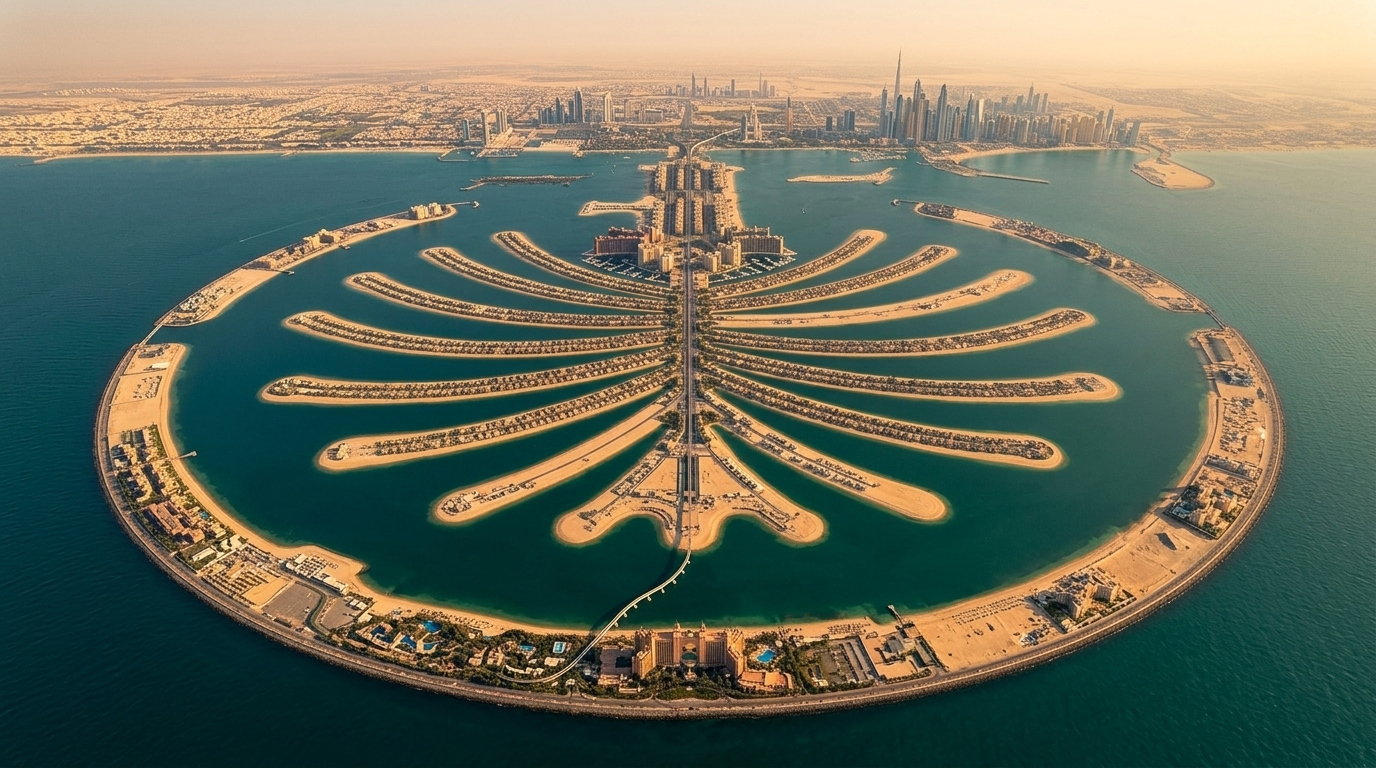
Palm Jebel Ali vs Palm Jumeirah,two islands, two very different bets
One is finished, famous and liquid. The other is twice the size and still being built. Choosing between them is really a choice about timing — here's how the two compare on the things that decide a purchase.
- Palm Jumeirah
- Completed, proven, liquid
- Palm Jebel Ali
- Off-plan, launch phase
- Relative scale
- PJA ~2× Palm Jumeirah
- PJA fronds
- 16 fronds
- PJA coastline
- 110 km of new shoreline
- PJ coastline
- ~56 km
- PJA entry
- From AED 2.5M
- Best for
- Income now vs upside later
Ask which Dubai Palm is the better buy and you're really asking two different questions at once. Palm Jumeirah and Palm Jebel Ali share a shape, a developer and a headline idea — a palm-shaped island reclaimed from the Gulf — but they sit at opposite ends of their own lifecycles. One has been lived in for well over a decade. The other is a construction site with a master plan and a launch price list.
That gap is the whole comparison. Almost every meaningful difference between the two islands — what you pay, what you can rent it for tomorrow, how quickly you could sell, how much it might be worth in ten years — flows from the fact that one is finished and one is not. This guide walks the differences honestly, so you can match the island to your own timeline rather than to a brochure.
The two islands at a glance
Start with the physical facts, because the scale surprises people. Palm Jumeirah is the compact, familiar original — the one on every postcard, ringed by roughly 56km of coastline. Palm Jebel Ali is the far larger sibling: an island of over 10.5 million square metres, spread across 16 fronds and pushing around 110km of brand-new shoreline into the Gulf. That makes it roughly twice the footprint of Palm Jumeirah.
More coastline is not just a bragging number. Beachfront frontage is the scarcest, most valuable thing either island sells, and Palm Jebel Ali is bringing a great deal more of it to market — across outer fronds that, once allocated, cannot be remade. Palm Jumeirah's beachfront, by contrast, was fully absorbed years ago; what trades there now is resale, at prices that reflect a mature, sought-after address.
“Palm Jumeirah sells you a proven address at today's price. Palm Jebel Ali sells you a position on an island the city is still building around it.”
Maturity versus upside
The single most important difference isn't size — it's where each island sits on its own timeline.
Certainty, income, liquidity
Palm Jumeirah — the proven asset
Completed, occupied and internationally recognised. Homes, hotels, beach clubs and retail all exist and operate today. You can view the exact villa or apartment, move in, and know precisely what you own from day one.
Scarcity, timing, appreciation
Palm Jebel Ali — the launch-phase play
Sold off-plan at launch pricing, before hotels, marinas and beach clubs are operational. You commit against a master plan and a phased handover, betting on the island — and Dubai's southern corridor — maturing over the years ahead.
History rhymes, it doesn't repeat
What Palm Jumeirah teaches
Its own history is the reference case: the buyers who committed earliest, before the island was proven, captured the largest gains as it filled in. That is the pattern Palm Jebel Ali buyers are trying to sit in front of today.
Longer horizon, real risk
The honest caveat
A larger island takes longer to mature, and off-plan carries construction and timeline risk that a finished Palm Jumeirah home simply does not. Upside and risk are the same coin seen from two sides.
Pricing and entry
On price, the two islands are hard to line up directly, because you're comparing a resale market against a launch price list. On Palm Jumeirah you pay the going rate for a completed, established address — a market that has already done most of its appreciating. On Palm Jebel Ali you pay launch-phase pricing, set before the island's amenities are switched on, and staged across an 80/20 payment plan rather than settled up front.
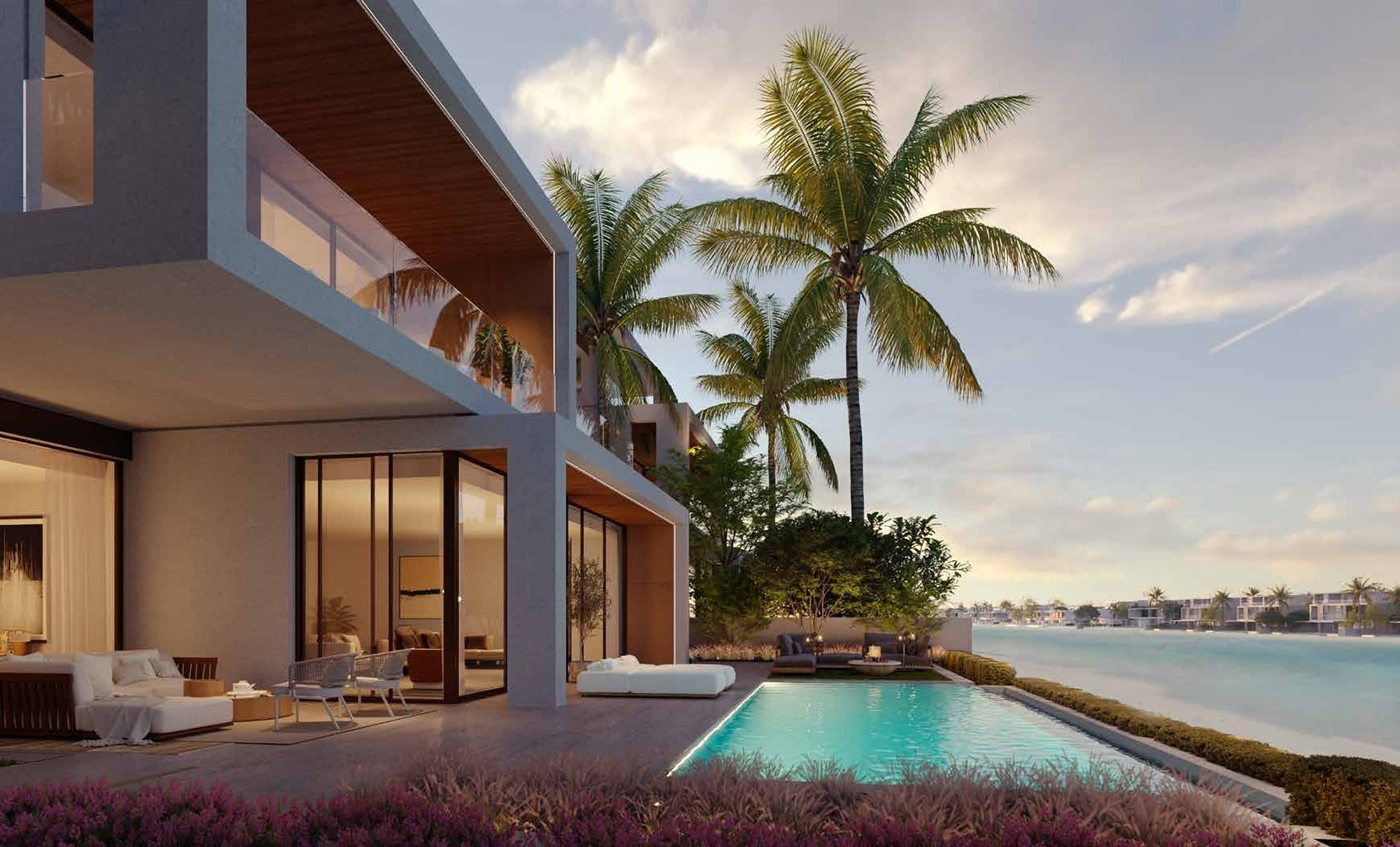
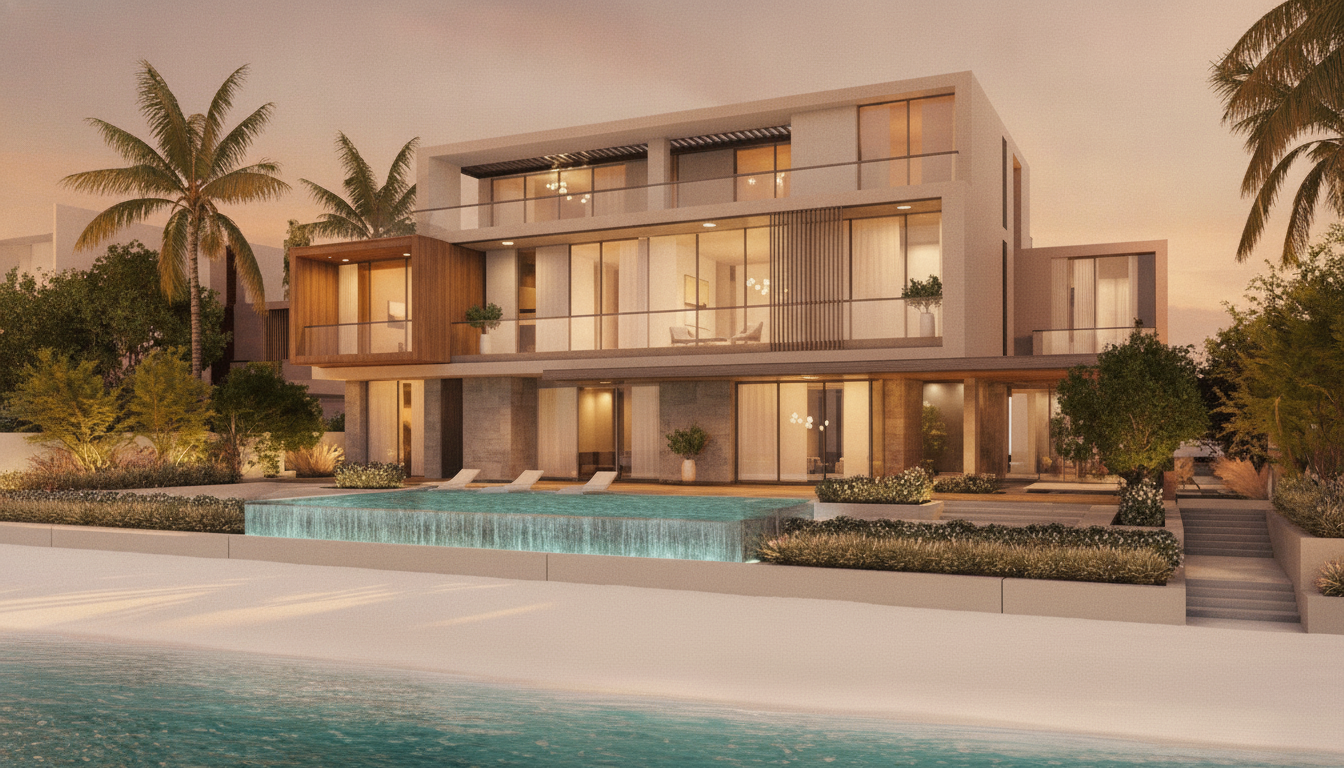
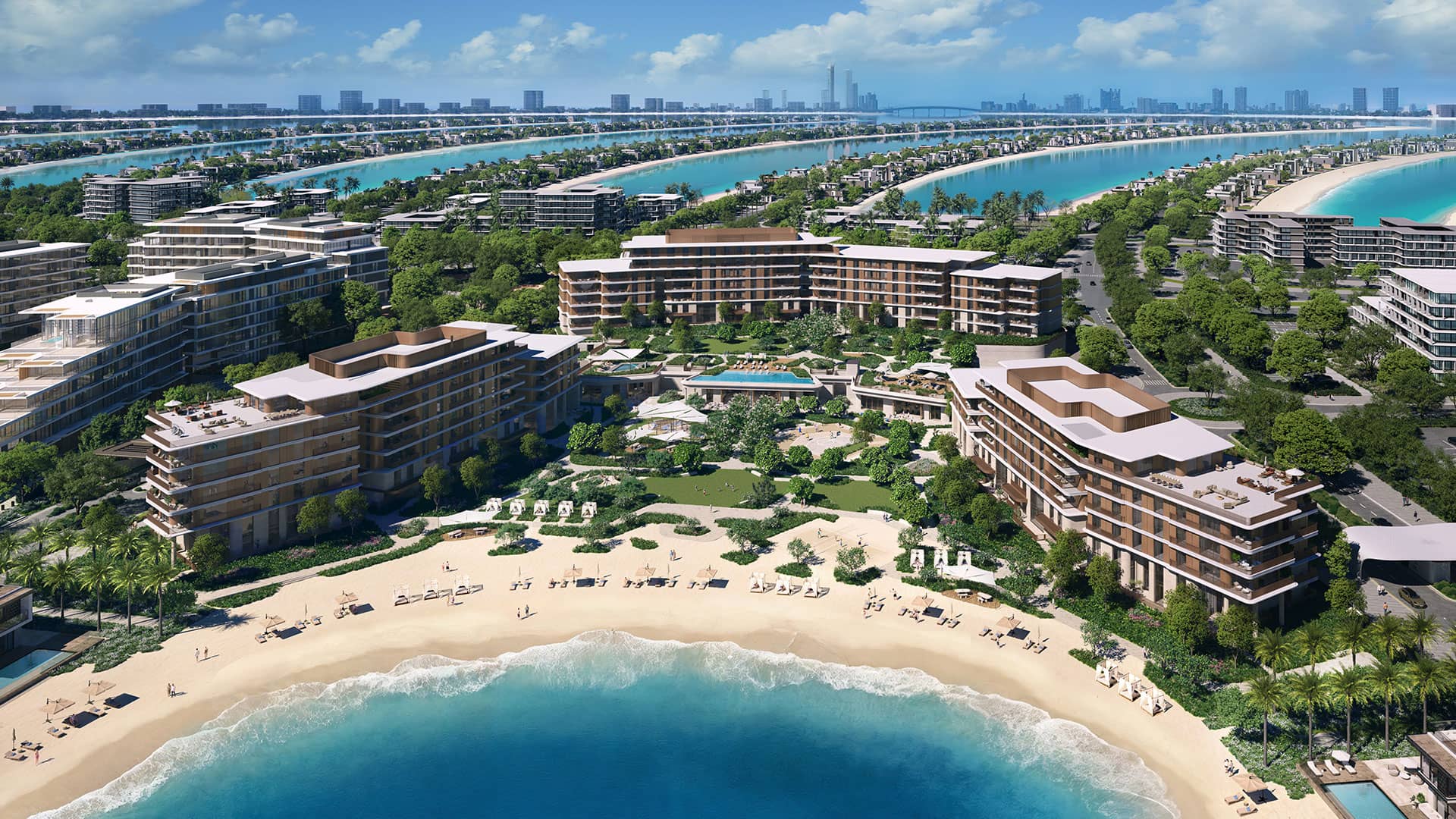
Palm Jebel Ali's own entry points span a wide spectrum. Palm Central Private Residences open the island at apartment pricing, while frond-front villas and the rarest outer-frond mansions sit at the top of the range. The collections below show where today's launch pricing actually starts.
Palm Jebel Ali — launch pricing today
Three collections span the entry spectrum, from resort-style apartments to ultra-prime signature mansions. These are off-plan, staged over an 80/20 payment plan.
Liquidity and rental
This is where the gap is widest, and where buyers most often misjudge it. Palm Jumeirah has a deep, live secondary market and an active rental scene: tenants, holiday-let demand and a steady flow of resale transactions. If you want income from month one, or the ability to exit reasonably quickly, that depth is worth a great deal.
Palm Jebel Ali has neither yet, by definition. While the island is under construction there are no tenants to house and no meaningful resale market — the homes don't physically exist. That thin liquidity is not a flaw so much as a stage: the trade-off you accept in exchange for launch-phase entry. It simply means capital committed to Palm Jebel Ali is capital you should be comfortable leaving in place until the island matures, not money you may need to reach in a hurry.
Which island suits which buyer
If you want rental income now, near-term liquidity, and the certainty of walking through the exact home you're buying, Palm Jumeirah is the more honest fit. It is a finished, proven asset in a market that already works — better suited to end-users who want to move in and to investors who value a live rental yield over speculative upside.
If your horizon is genuinely long, you're comfortable committing capital in stages against a master plan, and you want to own a piece of Dubai's next flagship island before it's proven, Palm Jebel Ali is the position to take. It rewards patience and conviction about the city's southern trajectory — not the buyer who needs the asset to perform next quarter.
Neither answer is universally right. The decision turns almost entirely on your own timeline and appetite for construction risk, which is exactly the conversation worth having before you commit to either island.
Frequently asked questions
Which is a better investment, Palm Jebel Ali or Palm Jumeirah?
Neither is universally better — they suit different goals. Palm Jumeirah is completed and proven, with a live resale and rental market, so it favours immediate income and liquidity. Palm Jebel Ali is off-plan and roughly twice the size, offering launch-phase entry and long-horizon appreciation potential in exchange for construction and liquidity risk.
How much bigger is Palm Jebel Ali than Palm Jumeirah?
Roughly twice the footprint. Palm Jebel Ali spans over 10.5 million square metres across 16 fronds, with around 110km of new coastline, against Palm Jumeirah's more compact layout and roughly 56km of shoreline.
Can I rent out a Palm Jebel Ali property now?
Not yet. Palm Jebel Ali is under construction and sold off-plan, so there is no rental or resale market on the island today. Palm Jumeirah, being completed, has an established rental and secondary market. If day-one rental income matters, Palm Jumeirah is the current fit.
Why is Palm Jebel Ali cheaper to enter than Palm Jumeirah?
Because you're comparing launch pricing against a mature resale market. Palm Jebel Ali entry starts from around AED 2.5 million for apartments, set before the island's amenities are operational and staged over an 80/20 payment plan. Palm Jumeirah trades at established prices for a completed, proven address that has already done most of its appreciating.
Is Palm Jebel Ali likely to appreciate like Palm Jumeirah did?
That's the thesis, but it isn't guaranteed. Palm Jumeirah's history shows early, pre-completion buyers captured the largest gains as the island matured — and Palm Jebel Ali offers the same launch-stage entry. The caveat is that history rhymes rather than repeats, and a far larger island takes longer to mature.
Do both islands qualify for the Golden Visa?
Property on either island can qualify where it clears the AED 2 million threshold for the UAE's 10-year renewable Golden Visa. Every Palm Jebel Ali collection meets that threshold, though eligibility is always assessed on your individual application.
Still torn between the two Palms?
Tell us your timeline and what you want the property to do — income, appreciation, or a home to move into — and we'll give you a straight read on which island fits.