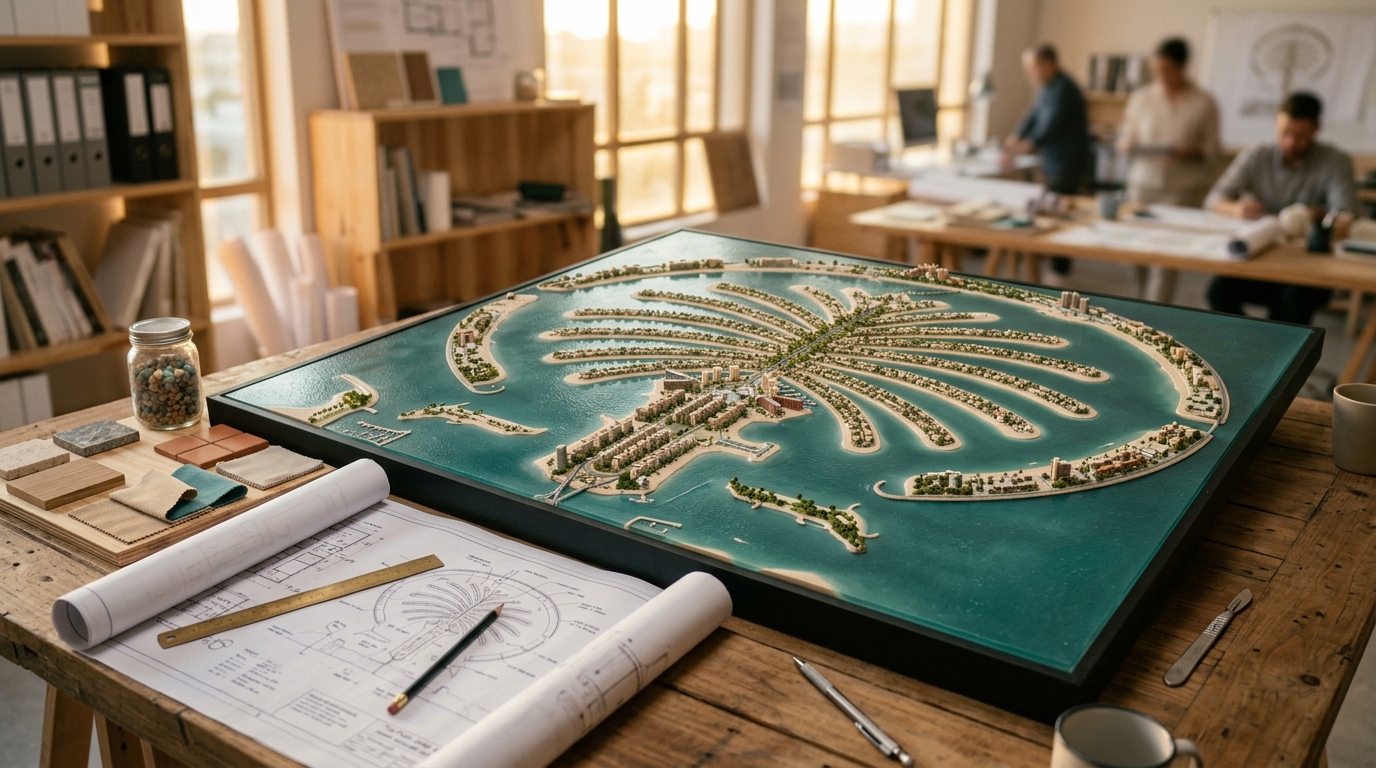
Nakheel,the name behind the island
When you buy off-plan, you are buying the developer as much as the drawings. Here is who Nakheel is, what it has already delivered, and how honestly that record should shape your confidence in Palm Jebel Ali.
- Developer
- Nakheel
- Type
- Dubai master developer, government-linked
- Flagship
- Palm Jumeirah
- Also known for
- The World, Jumeirah Islands, Dubai Islands
- Current project
- Palm Jebel Ali
- PJA scale
- 16 fronds · ~110km coastline
- Ownership model
- Freehold, escrow-regulated
There is a question that sits underneath every off-plan purchase, and it usually gets asked too late: who is actually building this? When a home does not yet exist, the brochure, the render and the show villa are all promises. The thing that turns a promise into a deliverable is the company standing behind it — its balance sheet, its history of finishing what it starts, and the regulatory rails it is obliged to run on.
Palm Jebel Ali is being built by Nakheel. For most people weighing an early reservation, the developer's name is either reassuring shorthand or a blank they have not filled in. This guide fills it in — measured, without the marketing gloss — because your confidence in a decade-long build should rest on the record, not the renders.
Who Nakheel is
Nakheel is one of Dubai's principal master developers — not a boutique builder assembling a single tower, but a company whose remit is entire islands, districts and communities. Master development is a different discipline from construction alone: it means reclaiming land, laying the roads and utilities, dredging marinas, setting the plan for how a place is zoned and lived in, and then delivering homes on top of all of it.
It is also government-linked, part of the wider Dubai state-owned development landscape rather than a purely private venture. That matters for a practical reason. A landmark island is not just a real-estate product; it is public infrastructure and national image at once. A developer tied to the emirate's own growth agenda carries a form of institutional backing — and institutional accountability — that a standalone private builder does not.
The landmark portfolio
Nakheel's record is unusually legible because so much of it is visible from the air. These are among Dubai's most recognised addresses — the reference points against which any new island is judged.
The proof of concept
Palm Jumeirah
The original palm-shaped island and Nakheel's flagship — a man-made archipelago that became one of the most recognised addresses on earth and proved reclaimed-land living could work at scale.
Reclamation at scale
The World Islands
An archipelago of small islands arranged as a map of the globe off Dubai's coast — perhaps the most ambitious demonstration of Nakheel's land-reclamation capability.
Delivered community
Jumeirah Islands
A mature, established community of villa clusters set among landscaped lakes and waterways — a long-completed, lived-in Nakheel neighbourhood rather than a marquee island.
Master-planned district
Jumeirah Village
One of Dubai's large master-planned residential districts of villas and townhouses — evidence that Nakheel builds volume communities, not only trophy coastline.
Ongoing waterfront
Dubai Islands (Deira)
The reshaped island development off Deira, formerly known as Deira Islands — a current-generation coastal masterplan showing Nakheel still delivers waterfront districts today.
The current build
Palm Jebel Ali
The company's largest palm island and current flagship — roughly twice the footprint of Palm Jumeirah, and the project this guide is about.
“The reason Nakheel's track record carries weight is simple: most of it is standing, occupied, and visible from the plane on the way in.”
What a track record means for an off-plan buyer
A developer's history is not sentiment; it is your best available read on delivery risk. Three things translate a portfolio like Nakheel's into off-plan confidence. The first is delivery credibility — the plain fact of having handed over occupied homes on reclaimed land before. Palm Jumeirah is not a promise; it is a completed, lived-in island. A company that has already done the hard version of this once has retired a category of doubt that an unproven developer cannot.
The second is your legal protection, which does not depend on the developer's goodwill at all. Off-plan sales in Dubai are governed by escrow: buyer payments are held in a regulated project account and released against verified construction progress rather than paid straight to the developer. Your staged payments are tied to the build itself. This is a structural safeguard that applies regardless of who the developer is — but it works best alongside one with the capacity to actually hit the milestones that release the funds.
The third is master-planning capability. Delivering a single building is a construction problem; delivering an island is a coordination problem — land, utilities, marinas, hotels, retail and thousands of homes sequenced over years. That is precisely the discipline Nakheel's back catalogue demonstrates. For a buyer, it lowers the odds that the surrounding island — the amenities and infrastructure your home's value ultimately depends on — arrives half-finished or not at all.
Nakheel and Palm Jebel Ali
Palm Jebel Ali is the largest thing Nakheel has attempted — 16 fronds and around 110km of new coastline, roughly twice the footprint of Palm Jumeirah. Its homes are released across three collections spanning the price spectrum.
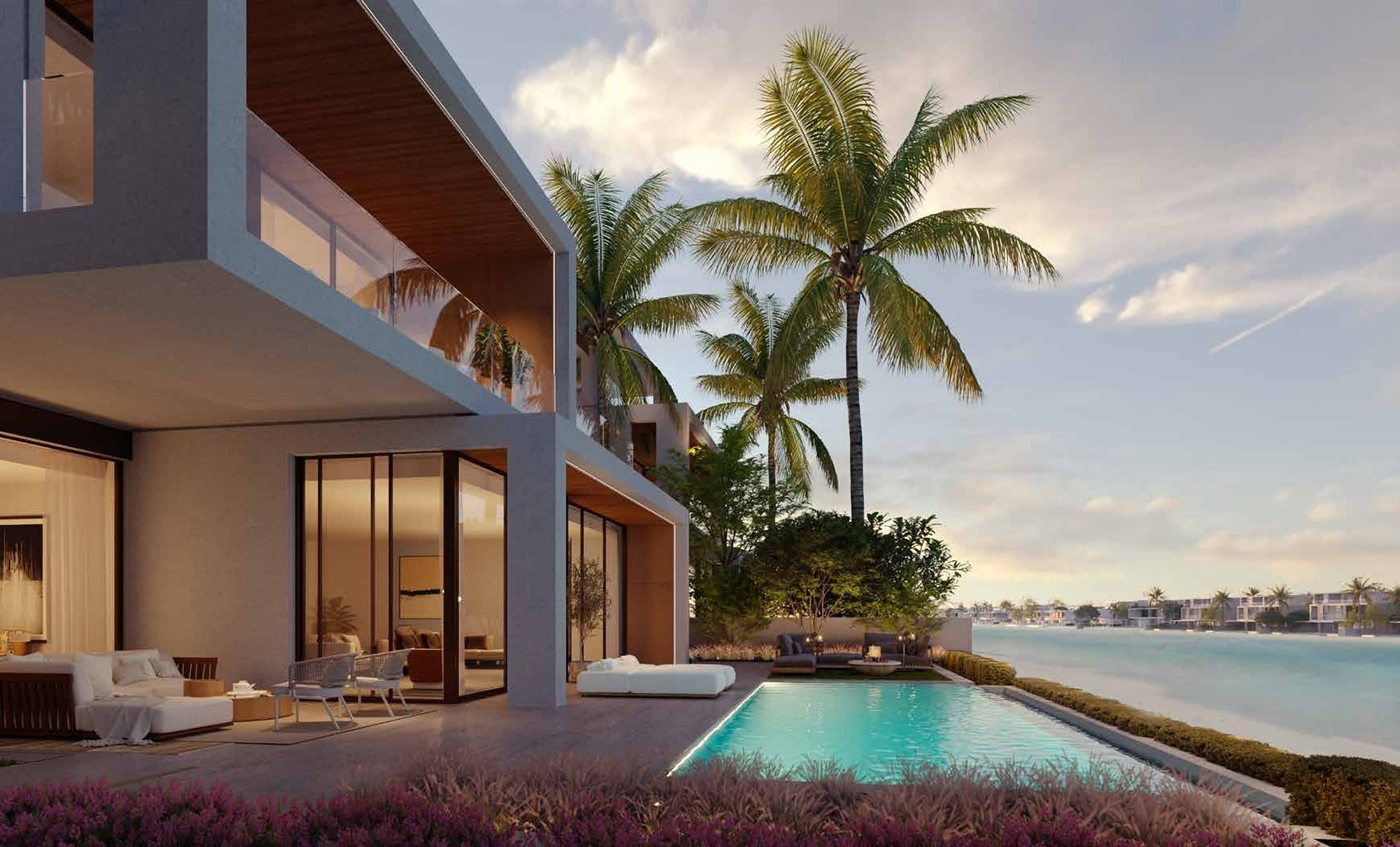
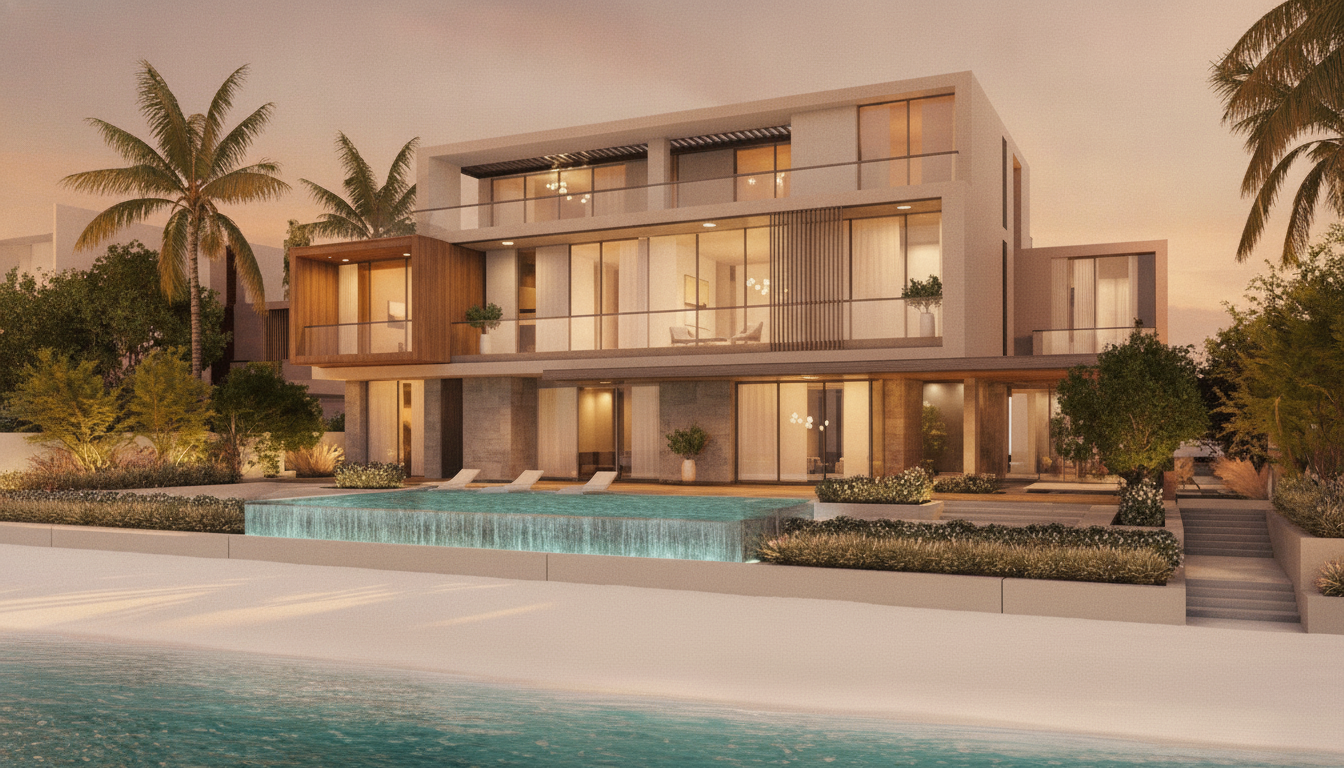
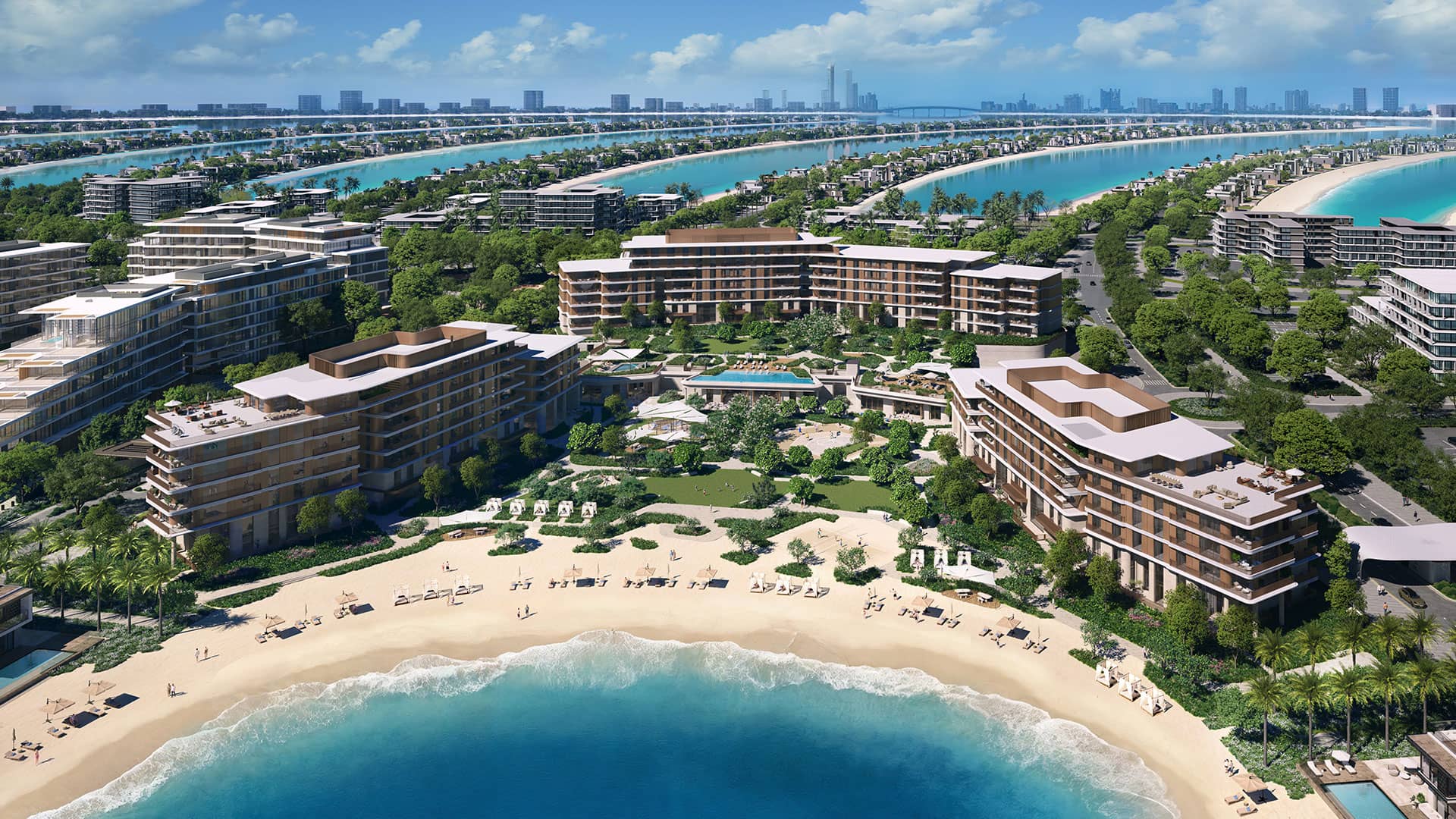
The scale is the point and the caution in equal measure. Sixteen fronds and 110km of coastline make Palm Jebel Ali one of the most ambitious coastal developments anywhere — a canvas that, if delivered, extends the very idea Palm Jumeirah proved. It is also, precisely because it is so large, a longer and more complex build than anything in the portfolio that preceded it. The record earns Nakheel the benefit of the doubt on capability; it does not shrink the island.
The honest caveat
Here is the line worth holding onto: a strong delivery history raises confidence, but it does not guarantee timelines. Past performance tells you a developer can build islands and hand over homes. It does not promise that this island completes on the phasing shown today, or that any single frond hands over on the date pinned to it now. Large master-plans move — sequencing shifts, phases stretch, market conditions and construction realities intervene. That is true of every developer, Nakheel included.
So use the track record for what it is genuinely good for: it materially lowers the risk that the project stalls or the surrounding island never fully arrives. Pair that with the protection the escrow structure gives you, and read any handover date as a well-founded intention rather than a contractual certainty. The developer is the strongest single reason to be confident about Palm Jebel Ali — and confidence, honestly held, still leaves room for a plan that can move.
Frequently asked questions
Who is the developer of Palm Jebel Ali?
Palm Jebel Ali is developed by Nakheel, one of Dubai's principal master developers and a government-linked company. Nakheel is best known as the developer behind Palm Jumeirah, and its portfolio also includes The World Islands, Jumeirah Islands, Jumeirah Village and the Dubai Islands (Deira) development.
Is Nakheel a reliable developer?
Nakheel has a visible, completed track record — most notably Palm Jumeirah, an occupied, lived-in island on reclaimed land — plus established communities like Jumeirah Islands and Jumeirah Village. As a government-linked master developer it also carries a degree of institutional backing. A delivery record like this lowers delivery risk, though as with any developer it does not guarantee specific timelines.
Why does the developer matter when buying off-plan?
When you buy off-plan, the home does not yet exist, so you are effectively backing the developer's ability to build and hand it over. A proven developer reduces the risk of stalled construction or a half-finished surrounding masterplan — which is exactly what your property's future value depends on.
How is my money protected on a Nakheel off-plan purchase?
Off-plan sales in Dubai are governed by an escrow system: your staged payments are held in a regulated project account and released to the developer against verified construction progress, rather than paid directly up front. This structural safeguard applies regardless of the developer, and it works best alongside one with the capacity to hit the milestones that release the funds.
What else has Nakheel built?
Beyond Palm Jumeirah, Nakheel's widely known projects include The World Islands (an archipelago shaped like a map of the globe), the established Jumeirah Islands community, the large Jumeirah Village residential district, and the Dubai Islands development off Deira. Palm Jebel Ali is its current and largest palm island.
Does Nakheel's track record guarantee Palm Jebel Ali's handover dates?
No. A strong record raises confidence that the island will be delivered and the surrounding amenities will arrive, but it does not guarantee that any specific phase or frond hands over on the date shown today. Large master-plans commonly shift in sequencing, so handover dates are best read as well-founded intentions rather than fixed certainties.
Confident in the developer? Let's talk about the island
Knowing who is building Palm Jebel Ali is the first check. The next is finding the right frond, collection and release for your timeline — tell us what you're weighing and we'll give you a straight read.