Palm Jebel Ali vs The World Islands,two Nakheel ideas, two very different lives
Both were reclaimed from the same Gulf by the same developer. One connects to the mainland by road and is being built in phases; the other is an offshore archipelago reached by boat. Here is how they differ on the things that decide a purchase.
- Developer
- Nakheel — both
- Palm Jebel Ali
- Connected palm island
- The World
- ~300 offshore islands
- PJA access
- By road, off E11
- World access
- By boat or helicopter
- PJA scale
- 16 fronds · ~2× Palm Jumeirah
- PJA entry
- From AED 2.5M
- Best for
- Connected vs secluded
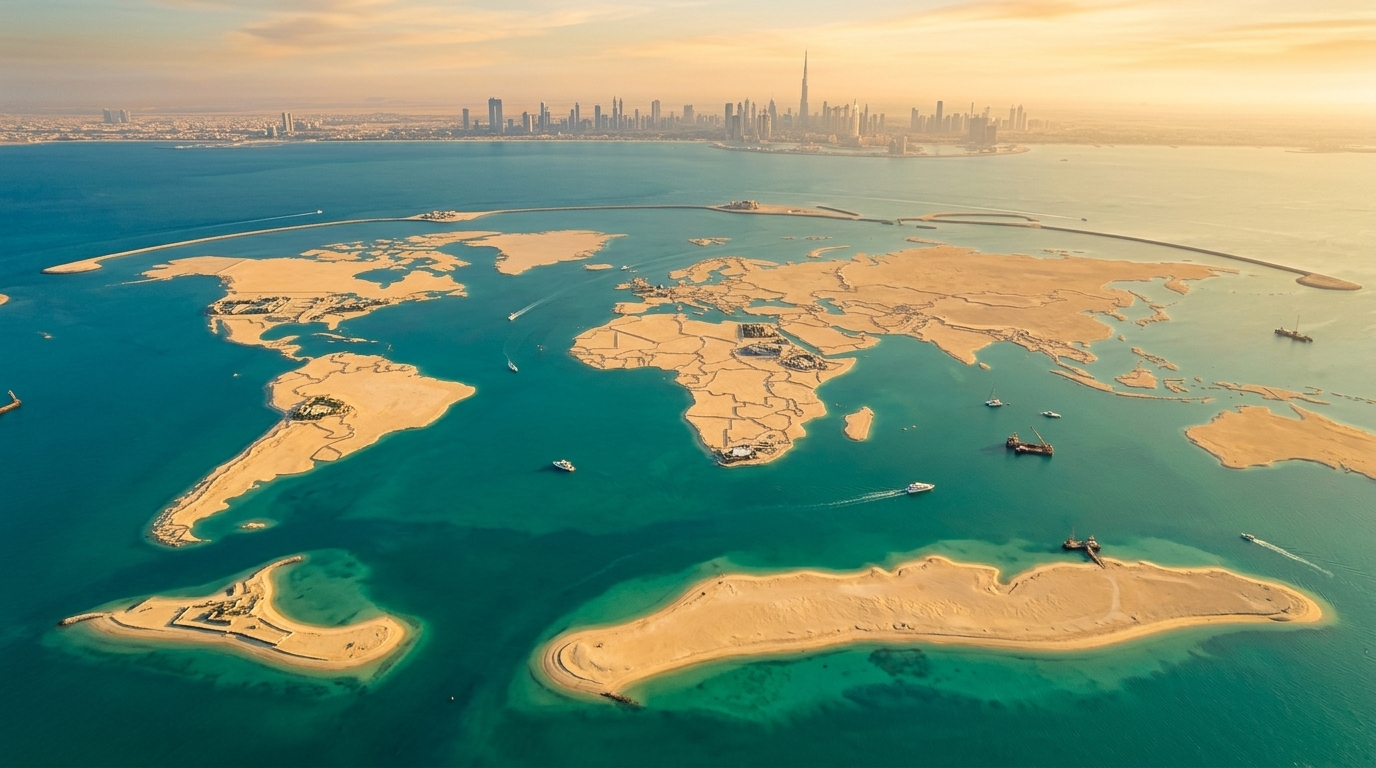
They came from the same imagination. Palm Jebel Ali and The World are both Nakheel projects, both reclaimed from the waters off Dubai's coast, both born of the same era of ambition that gave the city its palm-shaped shorelines. On a satellite map they look like siblings — vast man-made geometry pressed into the Gulf. In practice they ask you to buy two completely different things.
Palm Jebel Ali is a single palm-shaped island tied to the mainland by road, being delivered in phases with a published master plan and a launch price list. The World is an archipelago — around 300 small private islands arranged as a map of the globe, several kilometres offshore, reached only by boat or helicopter, and developed in a far patchier, island-by-island way. This guide compares the two honestly, so you can tell which idea actually matches how you want to live and invest.
Connectivity and access
This is the difference that colours everything else. Palm Jebel Ali is connected. It sits on Dubai's southern coastline and ties into the mainland by road, straight onto Sheikh Zayed Road (E11), with Al Maktoum International (DWC) around 20 minutes away and Expo City minutes down the road. You drive home. Deliveries arrive, staff commute, guests turn up without a schedule — the island behaves like a premium neighbourhood that happens to sit over the water.
The World is deliberately the opposite. Its islands are set several kilometres offshore with no road causeway, so every arrival and departure is by boat or helicopter. That buys extraordinary seclusion — a private island is about as private as Dubai gets — but it also means access is a logistical decision, not a given. Marine transfers, moorings and weather all become part of daily life. For some buyers that remove-from-the-mainland quality is the entire point; for others it is the reason a connected island wins.
The two at a glance
Same developer, same sea — but the shape of the offer diverges at almost every line.
Road access · phased · defined product
Palm Jebel Ali — the connected island
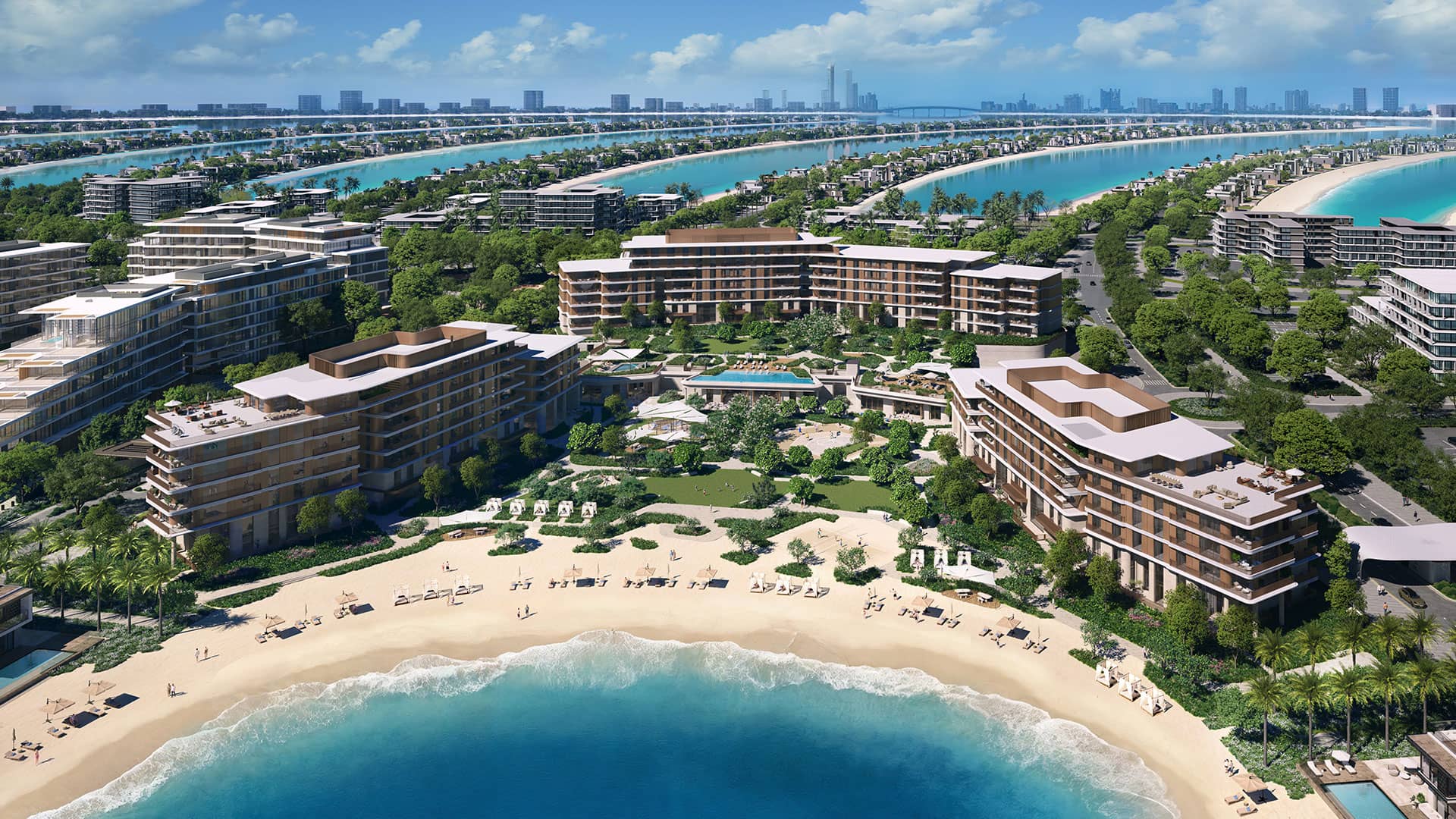
A single palm-shaped island over 10.5 million sqm, across 16 fronds and roughly 110km of new coastline, joined to the mainland by road. One master plan, phased delivery, and three published collections you can price today.
Marine access · patchy · bespoke
The World — the offshore archipelago
Around 300 small private islands arranged as a world map, several kilometres offshore and reached by boat or helicopter. Development runs island by island rather than to one timeline, so maturity is uneven across the archipelago.
Drive vs boat
How you arrive
Palm Jebel Ali: you drive on, straight off E11. The World: a marine or helicopter transfer every time. Access is the daily reality that separates a connected address from a private-island retreat.
Finished product vs raw parcel
What you're actually buying
Palm Jebel Ali sells defined homes in named collections at launch pricing. The World has largely sold islands — parcels to be developed — so the product is bespoke and far less standardised.
“One island you drive home to; the other you sail out to. That single line decides most of the rest.”
Scale and product
The two projects are built at completely different grains. Palm Jebel Ali is one enormous, coherent island — over 10.5 million square metres, 16 fronds, around 110km of new shoreline, roughly twice the footprint of Palm Jumeirah. It is designed as a place: fronds of villas, a central beachfront residential district, hotels and amenities planned into a single master plan so that the whole reads as one address.
The World is the inverse of that logic. Instead of one large island it is roughly 300 small ones, each intended as its own private world — a plot to be developed individually, whether as a single estate, a boutique resort or a themed island. There is no shared frond of neighbours in the Palm Jebel Ali sense; the unit of ownership is the island itself. That makes The World unmatched for privacy and bespoke vision, and much harder to compare like-for-like on price or product, because barely two islands are alike.
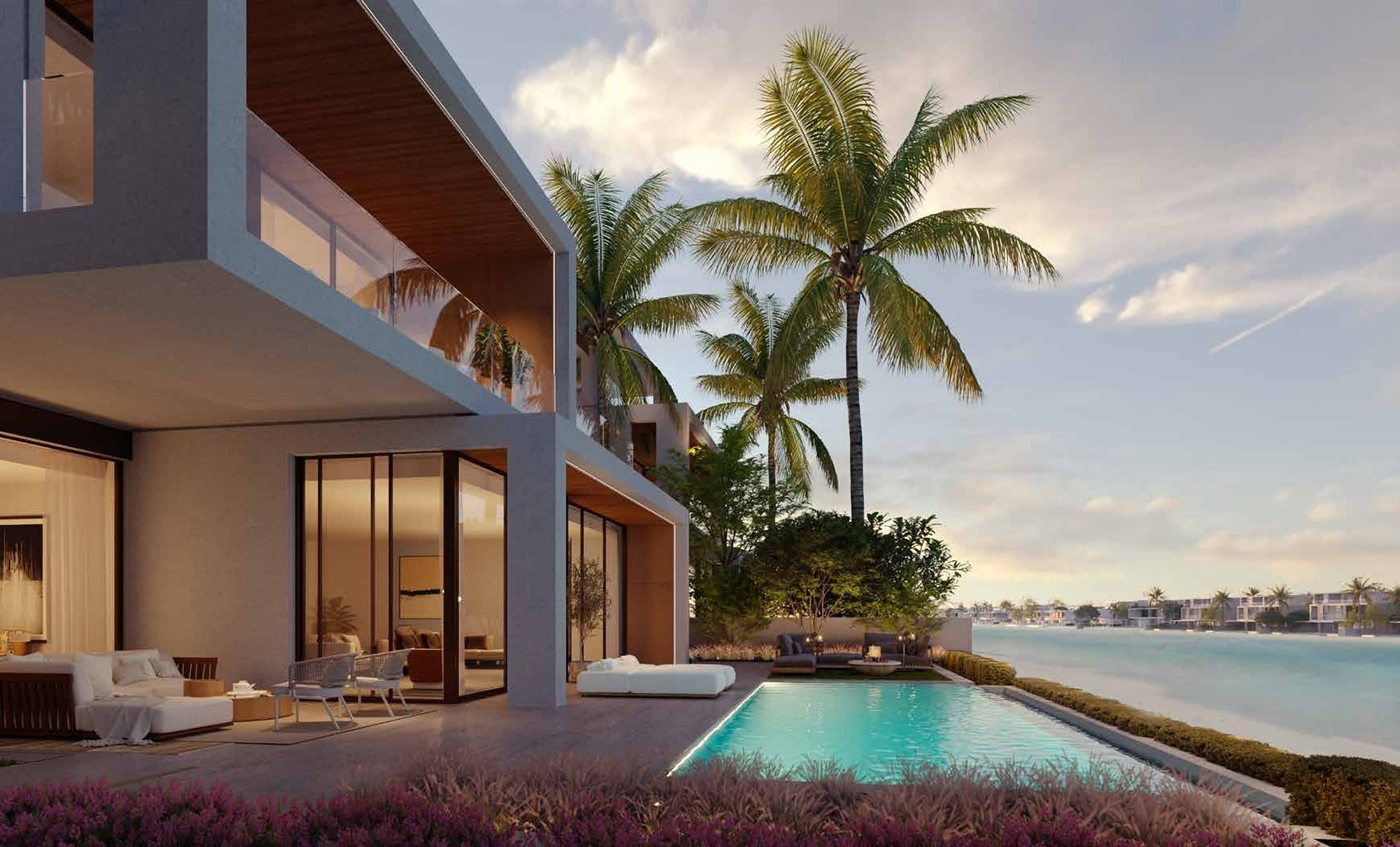
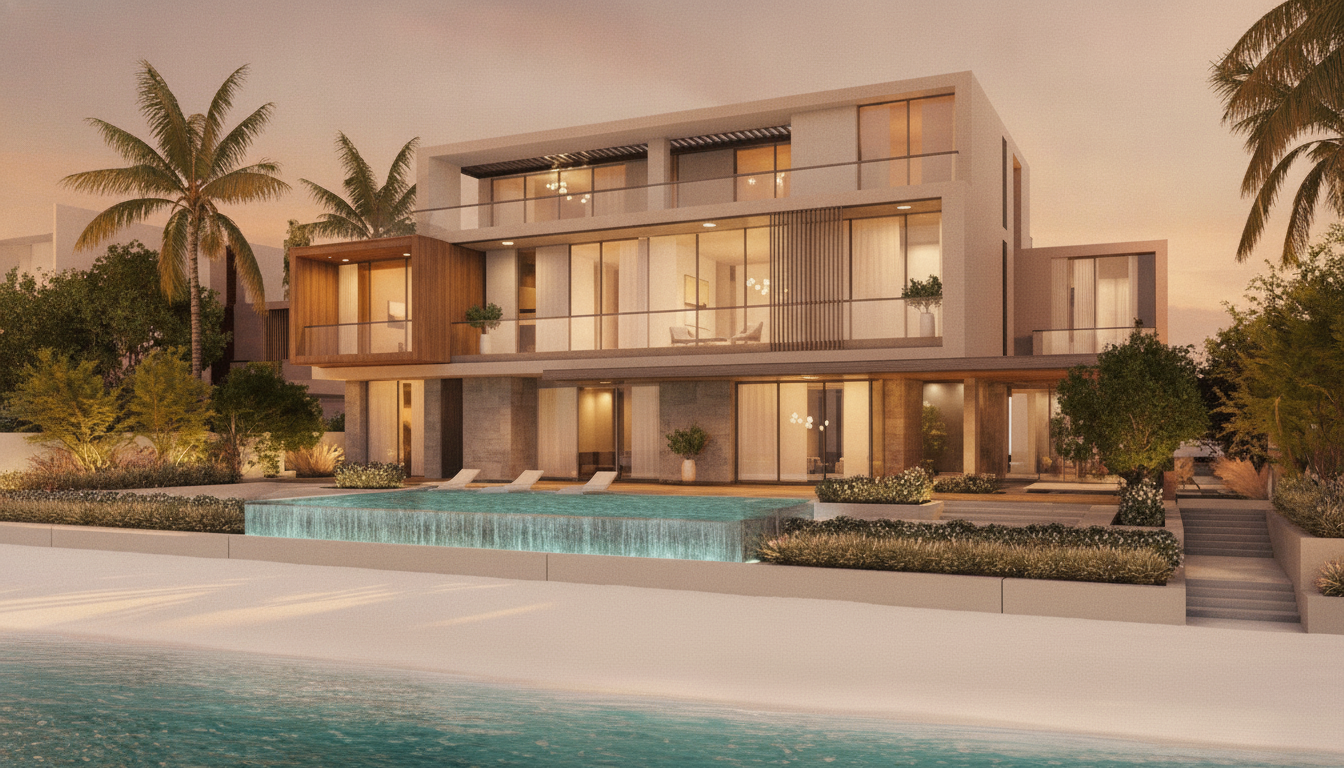
Palm Jebel Ali — a defined, priced product
Where The World largely sells islands to be developed, Palm Jebel Ali sells named homes at launch pricing. Three collections span the spectrum, off-plan and staged over an 80/20 payment plan.
Development maturity
Both projects are works in progress, but in different ways. Palm Jebel Ali is early-stage and off-plan — the land is reclaimed and the master plan is live, with homes sold ahead of the island's hotels, marinas and beach clubs coming online, and handovers phased across the years ahead. It is unfinished, but it is unfinished to a single, published plan with a defined completion curve.
The World's progress has been famously uneven. Because each island is developed independently, the archipelago has filled in patchily — some islands realised, many still undeveloped years after reclamation — with no single timeline pulling the whole thing forward together. For a buyer, that means the maturity of The World depends heavily on the specific island and its neighbours, rather than on one master programme you can track. Palm Jebel Ali's phased-but-coordinated build is the more legible proposition of the two.
Investment profile
As investments the two behave differently because the product does. Palm Jebel Ali offers a defined, freehold home bought at launch-phase pricing — from around AED 2.5 million for Palm Central apartments, from about AED 18.5 million for Beach Collection villas, and from roughly AED 30 million for Coral Collection mansions — staged over an 80/20 payment plan, and eligible for the Golden Visa above AED 2 million. The thesis is scarcity plus timing: limited beachfront on a connected island in Dubai's growing southern corridor, entered before amenities switch on.
The World is a more specialised bet. An entire private island is a rarer, more discretionary asset, priced case by case rather than off a public list, and its value leans heavily on the vision and capital you bring to develop it — as well as on the pace of the archipelago around you. It can be extraordinary, but it is less liquid, less standardised and harder to benchmark than a named home in a phased master plan. We hold to only the published Palm Jebel Ali numbers here; on The World, pricing is genuinely deal-specific, and we would never quote a figure we cannot stand behind.
Who each suits
Palm Jebel Ali suits the buyer who wants island living without leaving the city behind — a connected address they can drive home to, a defined home at a known price, and a coordinated master plan to buy into. It fits end-users who want a piece of Dubai's next flagship island, and investors positioning for appreciation over a phased build in the southern corridor, with the Golden Visa in reach and a clear sense of what they own.
The World suits a different temperament entirely: a buyer who wants total seclusion and a bespoke vision, is comfortable with marine access as a way of life, and has the appetite to develop or curate a private island on their own terms. It is the more singular, more discretionary proposition — spectacular for the right owner, and simply not the point for anyone who wants to drive home, rent it out next month, or benchmark it against a price list.
Frequently asked questions
Are Palm Jebel Ali and The World Islands both by Nakheel?
Yes. Both are Nakheel projects, reclaimed from the waters off Dubai's coast in the same era of large-scale island building. They share a developer and an origin, but they are very different products — Palm Jebel Ali is a single palm-shaped island connected to the mainland by road, while The World is an offshore archipelago of around 300 small private islands.
What is the main difference between Palm Jebel Ali and The World?
Access and structure. Palm Jebel Ali is one connected island reached by road off Sheikh Zayed Road (E11), delivered in phases with three published collections you can price today. The World is roughly 300 separate islands several kilometres offshore, reached only by boat or helicopter, and developed island by island rather than to a single timeline.
How do you get to The World Islands?
By boat or helicopter. The World's islands sit several kilometres offshore with no road causeway, so every arrival is a marine or air transfer. Palm Jebel Ali, by contrast, connects directly to the mainland by road — you drive home. That access difference shapes most of the day-to-day contrast between the two.
Which is more developed, Palm Jebel Ali or The World?
They mature differently. Palm Jebel Ali is early-stage and off-plan but built to a single, published master plan with phased handovers, so its progress is coordinated and trackable. The World has developed patchily, island by island, with no shared timeline — some islands are realised and many remain undeveloped, so maturity depends heavily on the specific island.
Can you buy a defined home on Palm Jebel Ali like on The World?
It's the reverse. Palm Jebel Ali sells named, defined homes at launch pricing — Palm Central apartments from around AED 2.5 million, Beach Collection villas from about AED 18.5 million, Coral Collection mansions from roughly AED 30 million — staged over an 80/20 payment plan. The World has largely sold whole islands as parcels to be developed, so its product is bespoke rather than a standard home you can price off a list.
Which should I buy for investment?
It depends on what you want the asset to be. Palm Jebel Ali is a defined, freehold home bought at launch-phase pricing in a connected, phased master plan, Golden Visa eligible above AED 2 million — a more legible, benchmarkable bet on Dubai's southern growth. The World is a rarer, discretionary asset priced deal by deal, whose value leans on the vision you bring and the pace of the archipelago around you. Palm Jebel Ali is the more standardised proposition; The World is the singular one.
Connected island or private archipelago?
Tell us how you want to live on the water — drive-home convenience or boat-in seclusion — and we'll give you a straight read on whether Palm Jebel Ali is the right island for you.